
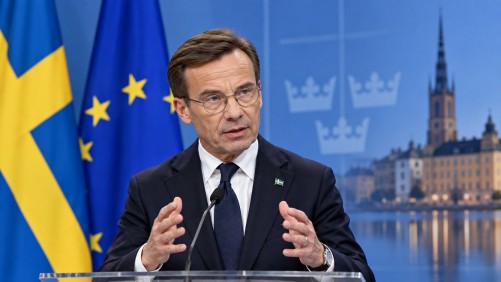
In a shift of Sweden’s political landscape, the centre-left opposition has narrowly secured a majority in the country’s general election, signaling a potential change in leadership and policy direction. The Social Democrats, led by Magdalena Andersson, now face the challenge of forming a new government after winning 176 seats, three more than the right-leaning bloc backing outgoing Prime Minister Ulf Kristersson.
Kristersson, who assumed office in 2022, has tendered his resignation in light of the election results. The parliamentary speaker is set to initiate the process for a new government formation. This election outcome opens the door for Andersson to engage in intricate negotiations with the Left, Centre, and Green parties, as she seeks to build a coalition capable of governing effectively. Yet, potential hurdles loom over key issues such as taxation, immigration, and climate policy.
Andersson has highlighted the priorities identified by voters, including climate action, education, healthcare, elderly care, and managing immigration. Her ability to assemble a stable coalition will depend on reconciling these priorities with the varied stances of potential coalition partners. The political landscape remains fluid, with minority governments often managing to govern through strategic agreements.
The election marked a setback for the Sweden Democrats, who, despite previously supporting Kristersson’s government from outside the cabinet, saw a decline in their standing, dropping from the second-largest party to the third. This shift underscores the evolving dynamics within Sweden’s political arena.
As Andersson embarks on the task of forming a government, Sweden’s future direction hangs in the balance. The negotiations ahead will determine how effectively the new leadership can respond to the electorate’s call for change and address pressing national issues.