
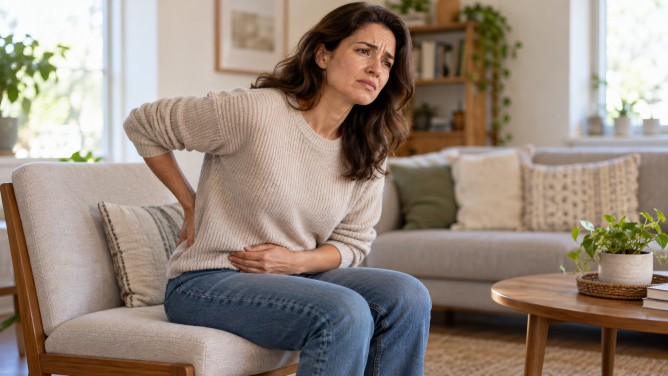
Constipation is often linked with symptoms like hard stools, bloating, and difficulty in passing bowel movements. However, some individuals also report experiencing lower back discomfort alongside these digestive issues. While the two symptoms may coincide, constipation isn’t always the direct cause of back pain. Understanding the potential connection is essential to discern when digestive issues might be involved and when to seek medical attention.
There are several ways through which constipation may contribute to lower back pain. Accumulated stool in the large intestine can stretch the bowel, potentially causing discomfort in the lower back or pelvic region due to the pressure. Additionally, repeated straining during bowel movements can exert extra pressure on abdominal and pelvic muscles, potentially aggravating existing back discomfort, especially in those with pre-existing back problems. Prolonged sitting on the toilet, particularly in an uncomfortable position, may also strain the lower back. Moreover, issues with the pelvic floor muscles, which help in bowel movement control and pelvic support, can lead to difficulties in passing stool and contribute to pain in the pelvic or lower back areas.
It’s crucial to recognize that experiencing constipation and lower back pain concurrently does not necessarily imply a causal relationship. Both symptoms might arise from an underlying condition such as thyroid issues, diabetes, neurological disorders, or spinal problems. Pregnancy is another factor that can influence bowel movements and lead to back discomfort. If back pain persists even after resolving constipation, worsens, or frequently recurs, seeking medical advice is essential instead of attributing the problem solely to digestive issues.
Particular warning signs accompanying constipation and back pain should never be ignored. Immediate medical care is warranted if symptoms like numbness around the buttocks, groin, or inner thighs, difficulty in passing urine, new weakness or significant pain in both legs, or sudden changes in bowel or bladder control are present, as these could indicate cauda equina syndrome, a serious condition involving nerve compression at the spine’s base. Severe abdominal pain, vomiting, marked swelling, or an inability to pass stool or gas also require urgent medical evaluation.
For mild cases of constipation, certain everyday habits might provide relief. Staying hydrated, gradually increasing dietary fiber intake through vegetables, fruits, whole grains, and legumes, engaging in regular physical activity, and responding promptly to the urge to use the toilet are beneficial practices. It’s advisable to avoid excessive straining and prolonged toilet sitting. If symptoms persist or recur despite these measures, consulting a healthcare professional is recommended. Before using laxatives, especially if severe pain or alarming symptoms are present, medical advice should be sought.
Ultimately, while constipation can sometimes contribute to lower back discomfort due to factors like bowel pressure and muscle tension, it’s important to consider that these symptoms may have different causes. Persistent pain, especially when accompanied by new bladder problems or other serious symptoms, warrants immediate medical attention to prevent potential complications.