
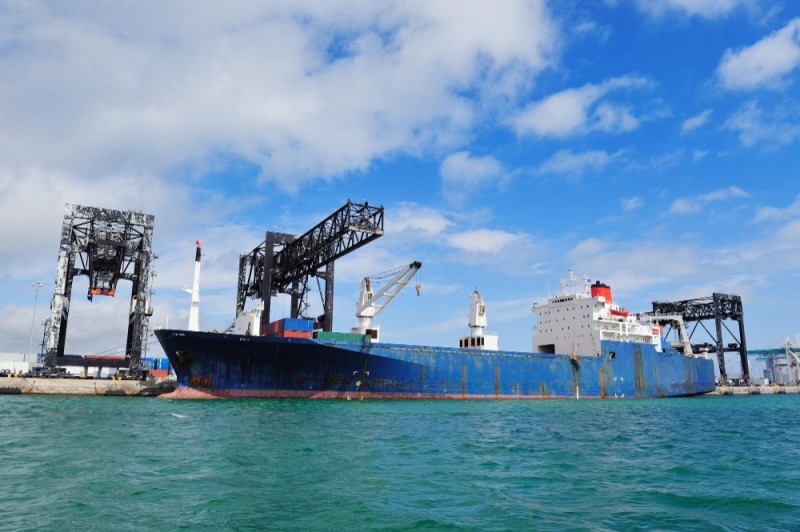
Despite commitments by European Union countries to cease all Russian liquid natural gas (LNG) imports by next year, the Netherlands continues to source about 12% of its LNG from Russia. This positions the Netherlands among five EU nations still engaging in Russian LNG imports, alongside Belgium, France, Spain, and Portugal. Notably, Belgium received 40% of its gas from Russia in the first quarter of this year, underscoring the broader regional dependency on Russian energy supplies.
Quantifying the exact amount of Russian LNG destined for the Dutch market poses challenges, as much of the gas arriving at Rotterdam harbour is intended for redistribution across Europe. Jilles van den Beukel from The Hague Centre for Strategic Studies commented that the volume of imports was “much larger than I had expected.” In 2025, 13% of the Netherlands’ gas imports were Russian, a slight decrease from earlier years, yet significantly lower than in 2022 when Russian gas accounted for 34% of imports, coinciding with the onset of the Ukraine invasion.
The uptick in Russian LNG imports in 2025 is attributed by climate and green growth minister Sophie Hermans to binding long-term purchasing agreements that are difficult to dissolve. In response to the ongoing reliance on Russian LNG, the Institute for Energy Economics and Financial Analysis (IEEFA) has urged European nations to ramp up investments in renewable energy resources. This strategic shift aims to minimize exposure to volatile gas prices and potential supply disruptions, with projections suggesting Europe could slash its gas consumption by 14% by 2030, thereby reducing demand by 23%.
The EU has set a ban on Russian natural gas imports by sea to commence in 2027, with pipeline imports facing restrictions starting next spring. In a bid to mitigate the impact of this prohibition, the Netherlands and its European counterparts have increasingly turned to the USA for natural gas, which now constitutes 77% of their imports. However, the EU’s strategy faces complications, particularly in light of the closure of the Strait of Hormuz—a critical passage for 20% of the world’s liquid gas supplies—due to the conflict between Iran and the USA, which has exacerbated price pressures and challenged the EU’s ban on Russian gas.
Van den Beukel expressed concerns about the EU’s ability to uphold its timeline for the import ban, stating, “I wouldn’t raise my eyebrows if Brussels postponed the date for the ban again.” He highlighted the dilemma facing European policymakers: the need to avoid tightening the LNG market further, which would drive up costs, while also seeking to limit financial support for Russian military endeavors.