
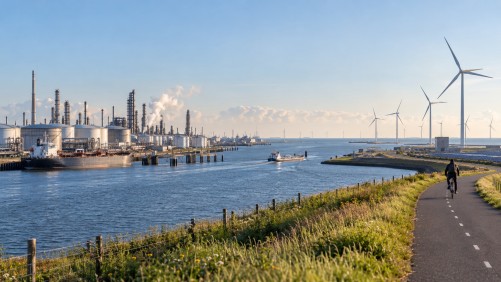
As the global conversation on transitioning away from fossil fuels intensifies, the Netherlands has taken a significant step by releasing a comprehensive national roadmap detailing its strategy to phase out oil, gas, and coal. This move positions the Netherlands as the second nation after France to outline such detailed plans, underscoring its commitment to addressing climate change.
The Dutch government unveiled the roadmap in anticipation of the UN Climate Change Conference set to take place in Turkey this November. Despite scaling back or delaying some climate targets, the Netherlands remains firmly committed to ending coal-fired power station operations for electricity generation by 2030. However, the country has adjusted its goals by reducing the planned offshore wind capacity and scrapping its earlier target of achieving a carbon-free electricity grid by 2035. Furthermore, it is unlikely to meet the European Union’s ambitious aim of cutting emissions by 90% by 2040.
While climate experts have lauded the roadmap as a crucial step in defining the Netherlands’ long-term energy transition, environmental campaigners have expressed concerns. The primary criticism centers on the absence of a definitive deadline for completely ending fossil fuel use, which they argue is essential for setting clear expectations and accountability.
In comparison, France, the first country to publish a national fossil fuel phase-out roadmap, has set clear targets to cease the use of coal by 2030, oil by 2045, and gas by 2050. The Dutch roadmap, while not specifying a similar timeline, indicates the nation’s intent to actively participate in global efforts to combat climate change.
The publication of the roadmap signals the Netherlands’ dedication to reducing its fossil fuel dependency, even as it navigates the complexities of balancing ambitious climate goals with feasible implementation timelines. As nations worldwide strive to address the pressing challenge of climate change, such roadmaps serve as critical tools for charting a sustainable energy future.