
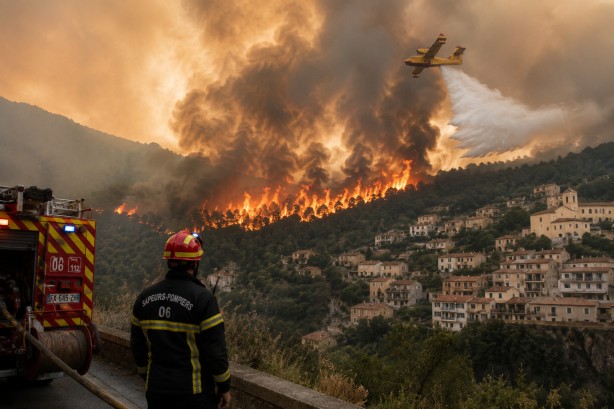
Across Europe, wildfires are wreaking havoc as they continue to rage in countries including Greece, France, Spain, and the United Kingdom. These intense blazes have forced evacuations and raised alarms about the security risks posed by climate change. In Greece, the island of Crete is one of the hardest-hit areas, where authorities are struggling to contain the flames. Meanwhile, parts of England have declared drought conditions due to prolonged extreme heat, exacerbating the situation.
European leaders have issued warnings that the frequency and severity of wildfires are being exacerbated by climate change. This poses a growing threat to public safety, food security, and essential infrastructure. In response, countries such as the UK and France have committed to enhancing their cooperation on wildfire prevention strategies, emergency responses, and efforts to bolster climate resilience.
The impact of the ongoing heatwaves has extended beyond the fires themselves, contributing to thousands of heat-related fatalities across the continent this year. These incidents underscore the urgent need for more robust climate adaptation measures, as extreme weather events become more commonplace and severe.
The situation in Europe highlights the broader challenges faced globally as climate change continues to influence weather patterns, making natural disasters more frequent and intense. By taking steps to improve coordination and response strategies, European nations aim to better protect their populations and mitigate the future impacts of such devastating events.