
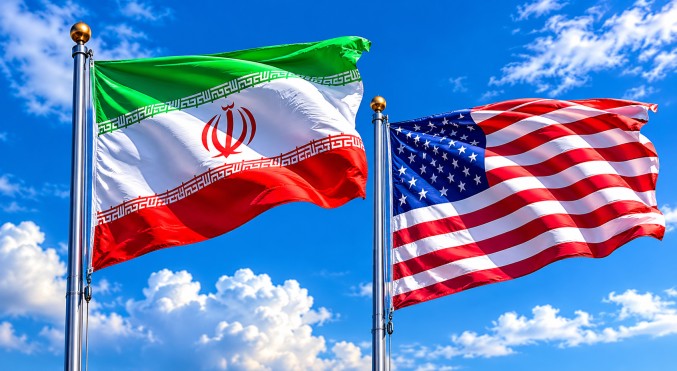
Amid heightened tensions over potential U.S. military action, Iran and the United States have reported incremental progress in their ongoing negotiations. Recent talks have centered on establishing a wider ceasefire and reducing tensions across the region. According to Iranian officials, the gap between the two countries’ positions has diminished in recent days. Esmail Baghaei, a spokesperson for Iran’s Foreign Ministry, noted that the primary focus of current discussions is to halt hostilities before tackling nuclear issues.
In the United States, Secretary of State Marco Rubio has also acknowledged advancements in diplomatic efforts, suggesting that more developments might be forthcoming. The U.S. stance remains firm on preventing Iran from acquiring nuclear weapons, insisting on assurances regarding uranium stockpiles and the reopening of the Strait of Hormuz as critical points in the negotiations.
Meanwhile, Iran’s parliamentary speaker, Mohammad Bagher Ghalibaf, issued a stern warning that any renewed military strikes by the U.S. would provoke a stronger response from Iran. He asserted that the country has rebuilt parts of its military capabilities following recent conflict and a tenuous ceasefire.
Playing a mediating role in the situation, Pakistan has been actively involved in facilitating communication between Tehran and Washington. Pakistan’s army chief recently met with Iran’s top leaders in Tehran, with officials describing the discussions as constructive and focused on preparing for another round of direct negotiations.
These diplomatic maneuvers occur amid increasing concerns about regional stability, global energy supplies, and the potential for further conflict escalation in the Middle East. The international community watches closely as these discussions attempt to mitigate rising tensions and avert a larger crisis.