
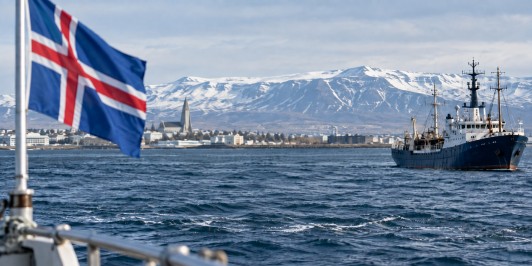
Iceland is preparing to take a significant step in marine conservation by proposing a permanent ban on commercial whaling. This legislative move is set to be introduced to parliament in February, marking a pivotal moment following extensive discussions and advocacy from animal welfare and conservation organizations. Icelandic authorities aim to halt the commercial hunting of whales, particularly targeting the fin whale species known for its vulnerable status. During the current hunting season, spanning from June to September, the industry has operated under a government-sanctioned quota, capturing numerous fin whales.
The initiative to cease whaling activities has garnered strong support from animal welfare groups. These organizations have long voiced ethical, environmental, and conservation-based objections to the practice of commercial whaling. Iceland’s decision to potentially end its involvement in this industry highlights a growing global trend toward marine conservation and the protection of endangered species.
Historically, Iceland resumed commercial whaling in 2006, defying an international moratorium established in 1986 designed to safeguard whale populations worldwide. Norway similarly reignited its whaling operations in 1993, while Japan made headlines in 2019 by exiting the International Whaling Commission and resuming commercial hunts within its territorial waters and exclusive economic zone.
Should Iceland’s legislative proposal be enacted, it would leave only Norway and Japan persisting in commercial whaling practices. This development underscores a shifting global perspective that increasingly favors the protection of marine life over traditional hunting practices. While the international moratorium prohibits commercial whaling, it does allow for exceptions. Indigenous communities in regions such as parts of Greenland and Alaska retain the right to hunt whales for essential nutritional, cultural, and traditional reasons, acknowledging the importance of such practices to their way of life.