
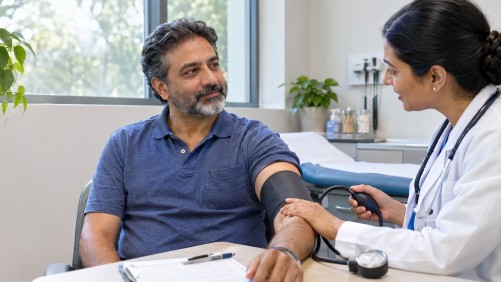
International Men’s Day, observed on November 19, serves as a timely reminder for men to prioritize their health through preventive measures. Regular health check-ups are crucial in identifying potential health issues early, yet many men delay these examinations due to hectic lifestyles, unhealthy habits, or reluctance to discuss health concerns. This can lead to the silent progression of conditions like high blood pressure, diabetes, and high cholesterol, which often show no symptoms until they become serious.
To combat this tendency, men should consider discussing specific health screenings with their healthcare providers. Monitoring blood pressure is one of the simplest yet most effective ways to assess cardiovascular health, as hypertension can develop without warning and increase the risk of heart disease and strokes. Similarly, regular blood sugar testing is advised for men with risk factors such as excess weight or a family history of diabetes.
A lipid profile test, which measures different types of cholesterol and triglycerides, is another essential check-up. High cholesterol can cause plaque buildup in arteries, leading to heart attacks or strokes. Additionally, oral health examinations are important, especially for those who smoke, as they help detect early signs of oral cancer.
Kidney and liver function tests are recommended for men with conditions like diabetes or high blood pressure, as these organs play vital roles in the body’s metabolism and waste removal. Hormone testing may also be necessary for men experiencing fatigue, changes in mood, or sexual health issues, with tests such as testosterone and thyroid function assessments helping to diagnose any hormonal imbalances.
As men age, prostate health becomes increasingly important. Prostate-specific antigen (PSA) tests or digital rectal exams can help detect prostate issues, including cancer, at an early stage. Men with a family history of prostate cancer should discuss early screening options with their healthcare provider.
Ultimately, the key to effective preventive healthcare is not waiting for symptoms to become severe before seeking medical advice. Men are encouraged to maintain a balanced lifestyle alongside regular medical consultations. This includes a healthy diet, regular exercise, sufficient sleep, and avoiding tobacco and excessive alcohol consumption, all of which contribute to long-term well-being.