
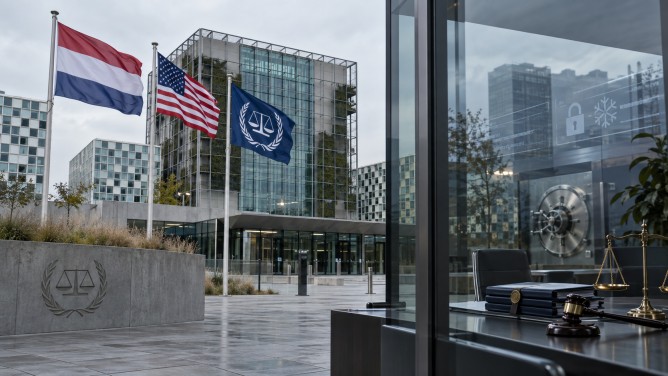
The International Criminal Court (ICC) is facing potential new challenges as the Netherlands prepares to counteract possible sanctions from the United States. The looming sanctions stem from a growing conflict between Washington and the tribunal, which has been investigating cases involving U.S. and Israeli officials. As the court’s host country, the Netherlands is exploring ways to ensure the ICC can continue its operations without disruption.
Recent actions by the Trump administration have already targeted several ICC officials with sanctions, accusing the tribunal of overstepping its authority. Now, there is concern that these measures could expand to encompass the ICC as an entire institution. If implemented, such sanctions could severely limit the court’s access to essential financial services and technological resources, given the potential restrictions on transactions involving U.S. companies.
The ICC, established in 2002 in The Hague, plays a critical role in prosecuting individuals accused of severe international crimes like genocide and war crimes, particularly when national legal systems fail to act. To mitigate potential impacts from the anticipated sanctions, the ICC has proactively begun shifting some of its services away from U.S.-based providers, while also reviewing its financial and technological frameworks to maintain operational stability.
In response to the escalating situation, Dutch officials are considering a range of measures to support the ICC. These may include financial assistance to ensure the court can pay its staff, protect witnesses, and maintain detention facilities, should U.S. sanctions impede its access to necessary services. The Netherlands has historically supported the ICC’s mission and is committed to minimizing any disruption caused by external political pressures.
This development highlights the ongoing geopolitical tensions surrounding international justice and the challenges faced by institutions like the ICC in navigating the complex international landscape. The outcome of the Netherlands’ efforts could set a precedent for how host countries can support international organizations under threat from unilateral sanctions.