
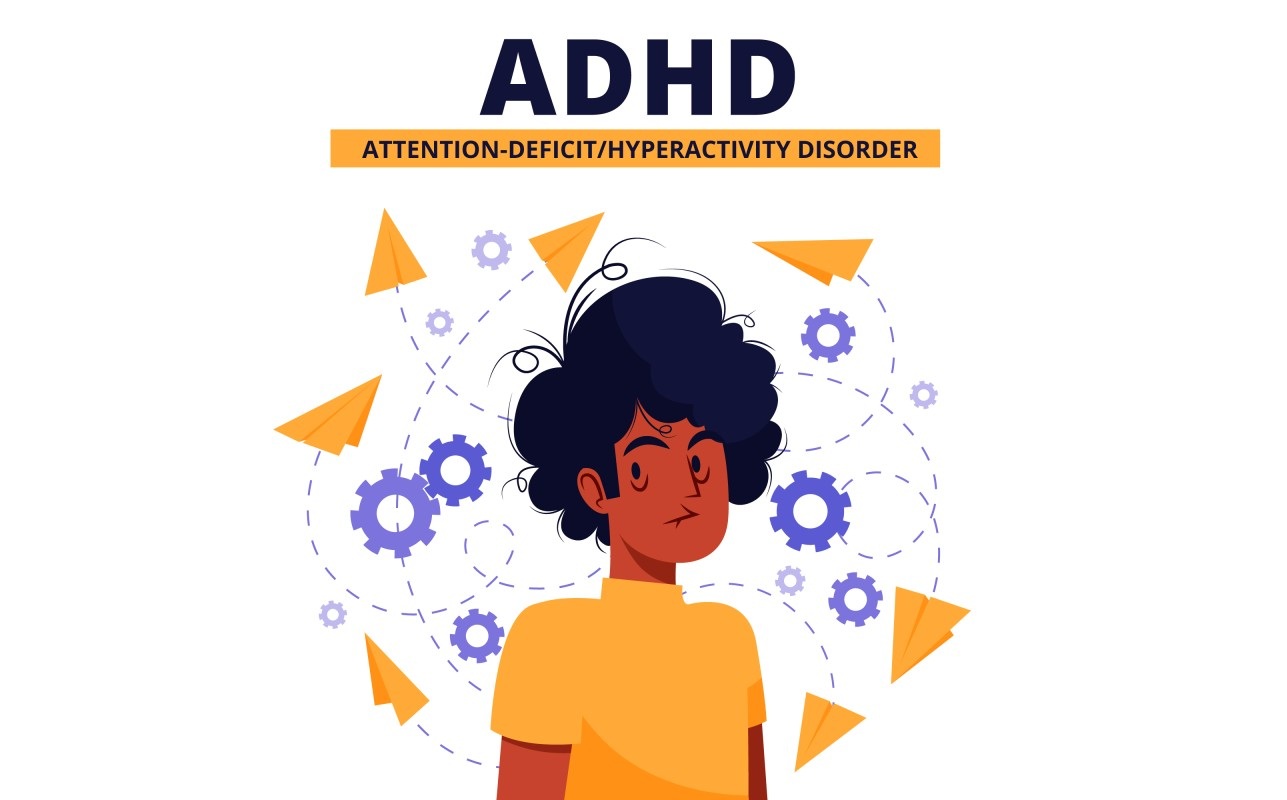
The Swedish government is launching a comprehensive national investigation to address the notable surge in ADHD and autism diagnoses among children and young people. This inquiry aims to delve into the underlying factors contributing to this rise and to identify strategies for enhancing support for those affected and their families. The initiative seeks to improve the systems in place across various spheres, such as education, healthcare, recreational activities, and employment transitions.
Leading this effort is Mathias Wahlsten, the Director General of the Swedish Unemployment Insurance Inspectorate, who has been tasked with chairing the inquiry. The delegation’s mission is to uncover the reasons behind the increasing number of neurodevelopmental diagnoses and to propose actionable recommendations for bolstering support structures. These measures are intended to ensure that individuals with neuropsychiatric conditions can achieve their full potential and engage fully in societal activities.
Minister for Social Affairs Jakob Forssmed underscored the importance of this initiative, emphasizing the need to provide adequate support for children and young people diagnosed with such conditions. He highlighted the government’s commitment to fostering an inclusive environment where these individuals can thrive. The inquiry’s findings are expected to pave the way for enhanced support systems that can accommodate the needs of this growing demographic.
The government has acknowledged that the rise in diagnoses has placed a significant burden on child and adolescent psychiatric services. This situation underscores the urgency of understanding the trend and implementing long-term improvements in support systems. By examining the current pressures on these services, the inquiry aims to develop a comprehensive framework that can better serve the needs of affected individuals and their families.
Scheduled to deliver its findings and recommendations by December 1, 2027, the delegation’s work will be crucial in shaping future policies and support mechanisms. This effort reflects a proactive approach by the Swedish government to address the evolving needs of its population and ensure that all children and young people have the opportunity to lead fulfilling lives.