
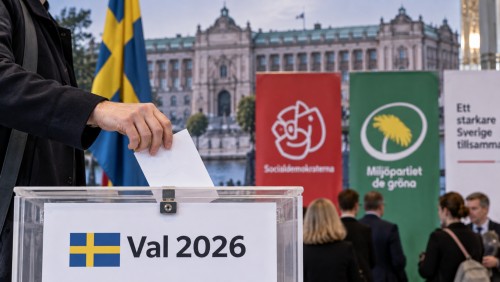
Amidst a closely watched electoral contest, Sweden’s red-green opposition has emerged with a slight majority in the Riksdag following the preliminary election results. The opposition secured 176 seats, surpassing the 173 seats claimed by the Tidö parties, showcasing a pivotal shift in the nation’s political landscape.
The Social Democrats, a key player within the opposition bloc, received the highest percentage of votes at 28.0%, translating to 99 seats. Meanwhile, the Moderates garnered 19.8% of the vote, securing 70 seats. The election results indicate a notable performance by the Sweden Democrats, who obtained 17.5% of the vote and 62 seats, despite experiencing a decline in their seat count compared to the previous election.
Other parties also made their mark in this election cycle. The Left Party saw an increase in its representation, gaining six additional seats to hold a total of 30, with 8.4% of the vote. The Center Party won 7.0% of the vote, translating to 25 seats. Both the Green Party and the Christian Democrats secured 22 seats each, with vote shares of 6.1% and 6.2%, respectively. The Liberals rounded out the parliamentary seats with a 5.3% share, resulting in 19 seats.
Voter turnout was robust, standing at 84.8%, reflecting a slight increase from the 2022 election by 0.6 percentage points. This heightened participation underscores the electorate’s engagement in shaping Sweden’s political future at a time of significant transition.
While the opposition’s lead is clear, the final vote count remains pending, with further checks possibly influencing the preliminary seat distribution. As Sweden awaits the official confirmation, the current results suggest an evolving political dynamic that could herald new directions in policy and governance.