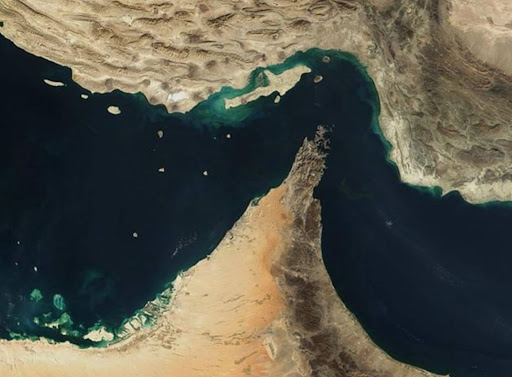
A dangerous power vacuum has taken hold in the Strait of Hormuz, as the absence of both US naval escorts and any committed allied coalition leaves the world’s most critical oil shipping lane without any meaningful military protection against Iran’s ongoing blockade. President Trump called on the UK, France, China, Japan, South Korea, and all oil-importing nations to send warships to the contested waterway, but not a single nation has committed forces. The result is that commercial shipping faces Iranian attacks without deterrence, and the global economy absorbs the cost of a disruption that shows no sign of ending.
Iran’s blockade began in late February as retaliation for US-Israeli airstrikes, shutting off a passage through which one-fifth of global oil exports ordinarily flow. Tehran has attacked sixteen tankers, declared vessels bound for American or allied ports to be legitimate military targets, and threatened to mine the waterway. The US has not deployed its own navy to escort tankers through the strait — a significant gap in the deterrence picture that makes it harder for allies to justify committing their own naval assets to an operation that America itself is not leading from the front.
France ruled out sending ships while fighting continued. The UK is exploring mine-hunting drones rather than warships. Japan described a very high threshold for deployment. South Korea pledged careful deliberation. Germany expressed scepticism about expanding the EU’s Aspides mission. The absence of any committed naval protection is not just a political failure — it is having direct operational consequences for global shipping. Commercial operators are avoiding the strait, insurance rates for vessels that attempt transit have surged to prohibitive levels, and the supply disruption deepens with each passing week.
The power vacuum in the strait is benefiting Iran strategically. By closing the world’s most important oil route without facing a credible military response, Tehran is demonstrating that it can impose enormous economic costs on the international community while avoiding direct military confrontation with a coalition force. This demonstration of Iranian resolve and international hesitation may have lasting implications for how other state actors in the region and beyond calculate the costs and benefits of similar coercive strategies in the future.
China’s diplomatic engagement with Tehran is the most active effort to fill the power vacuum through non-military means. Beijing is reportedly in discussions with Iran about allowing oil tankers to pass safely, a process that could provide partial relief. The Chinese embassy confirmed China’s commitment to constructive regional communication and de-escalation. US Energy Secretary Chris Wright expressed hope that China would be a constructive partner, acknowledging that active dialogue with multiple nations was underway. Whether diplomacy can fill the vacuum that military deterrence has failed to occupy remains the central unanswered question of the entire Hormuz crisis.
No Escort, No Coalition: The Dangerous Reality of the Hormuz Power Vacuum