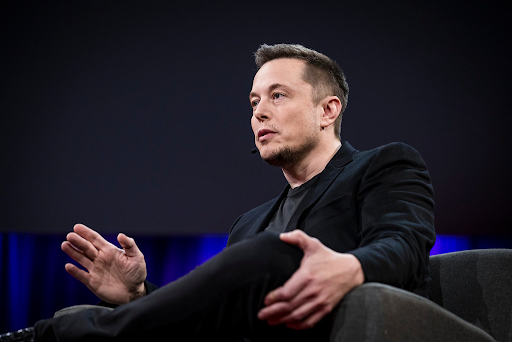
The United States space program has evolved into an uncomfortable dependence on private companies controlled by an unpredictable entrepreneur whose political alliances shift dramatically. SpaceX currently provides the exclusive means for American astronaut transportation while managing classified satellite projects that form the backbone of national intelligence gathering. This consolidation of critical capabilities under single private control creates unprecedented risks for national security planning.
Military and intelligence officials find themselves in the awkward position of relying on a contractor whose public statements and political activities increasingly conflict with administration priorities. The construction of hundreds of Pentagon spy satellites and operation of communication networks supporting Ukrainian defense efforts cannot easily transfer to alternative providers. Such dependencies force government officials to maintain working relationships despite fundamental disagreements about political direction and public behavior.
Tesla faces mounting challenges as federal support for electric vehicles faces elimination while international markets respond negatively to Musk’s political involvement. European sales have dropped significantly due to political backlash, and Chinese competition intensifies in the world’s largest EV market. The company’s strategic focus on niche products rather than mass-market vehicles compounds these external pressures, threatening the stock value that comprises most of Musk’s personal wealth.
America’s Space Dreams Hang on Feuding Billionaire’s Whims